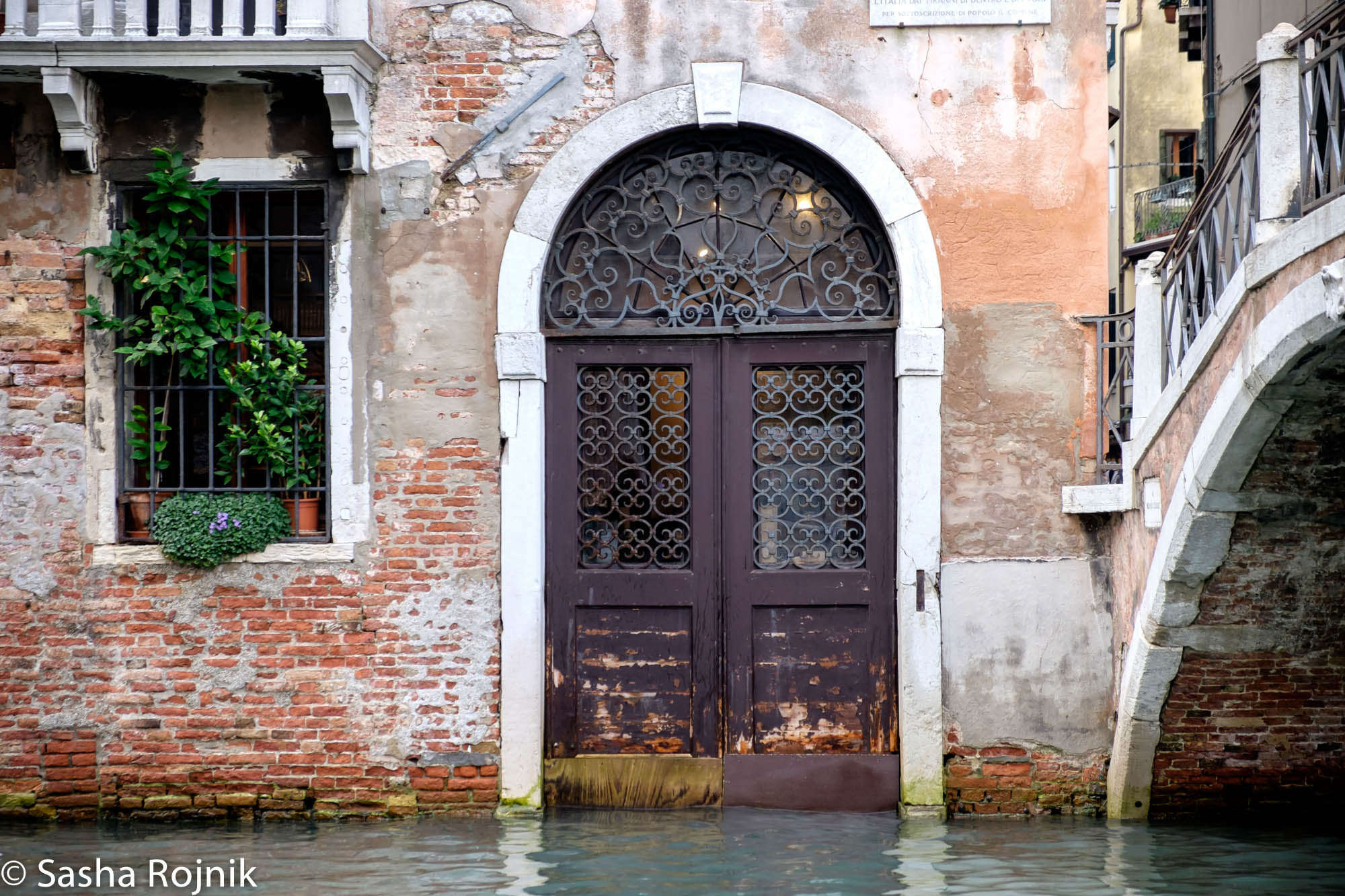
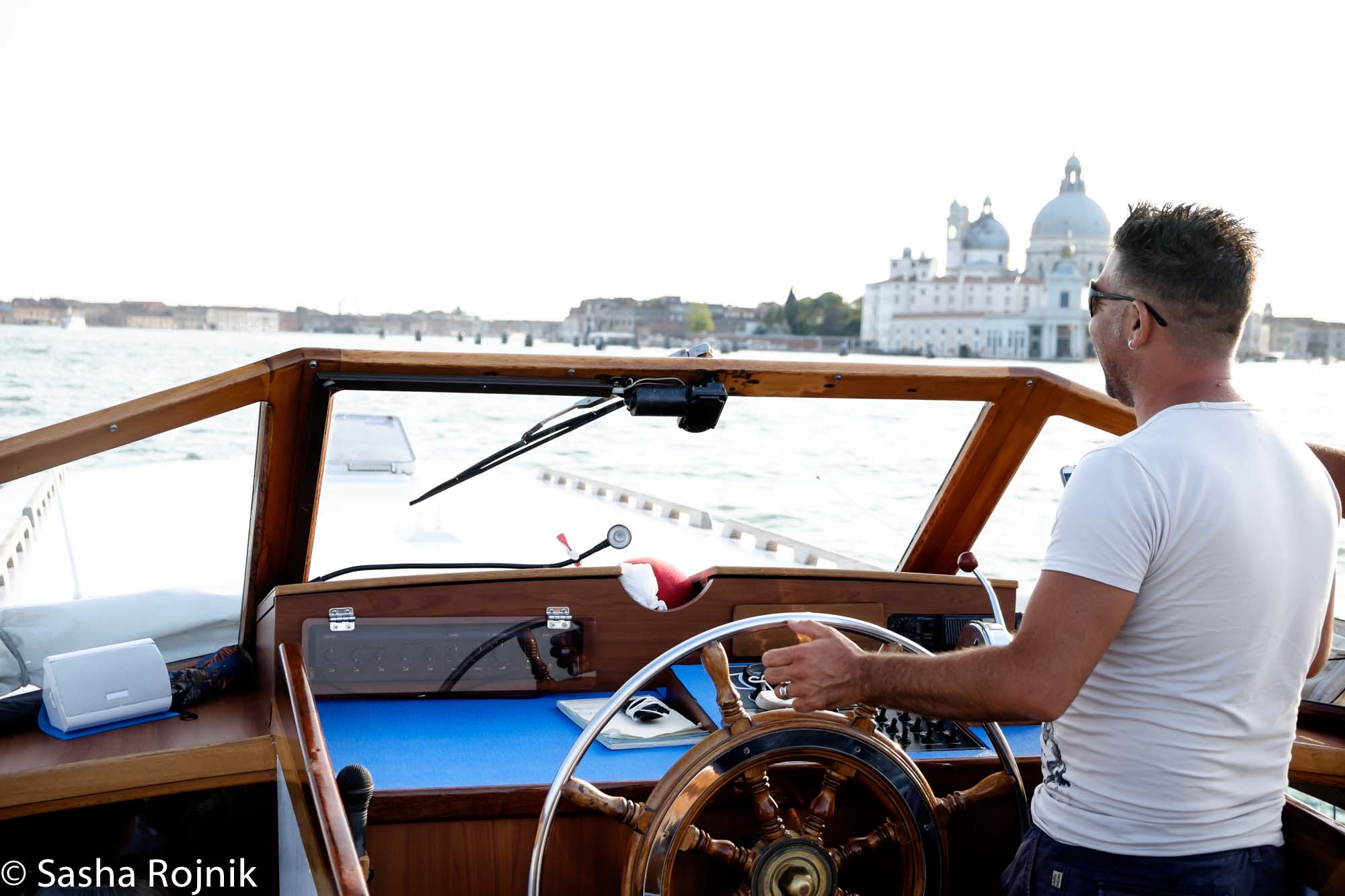
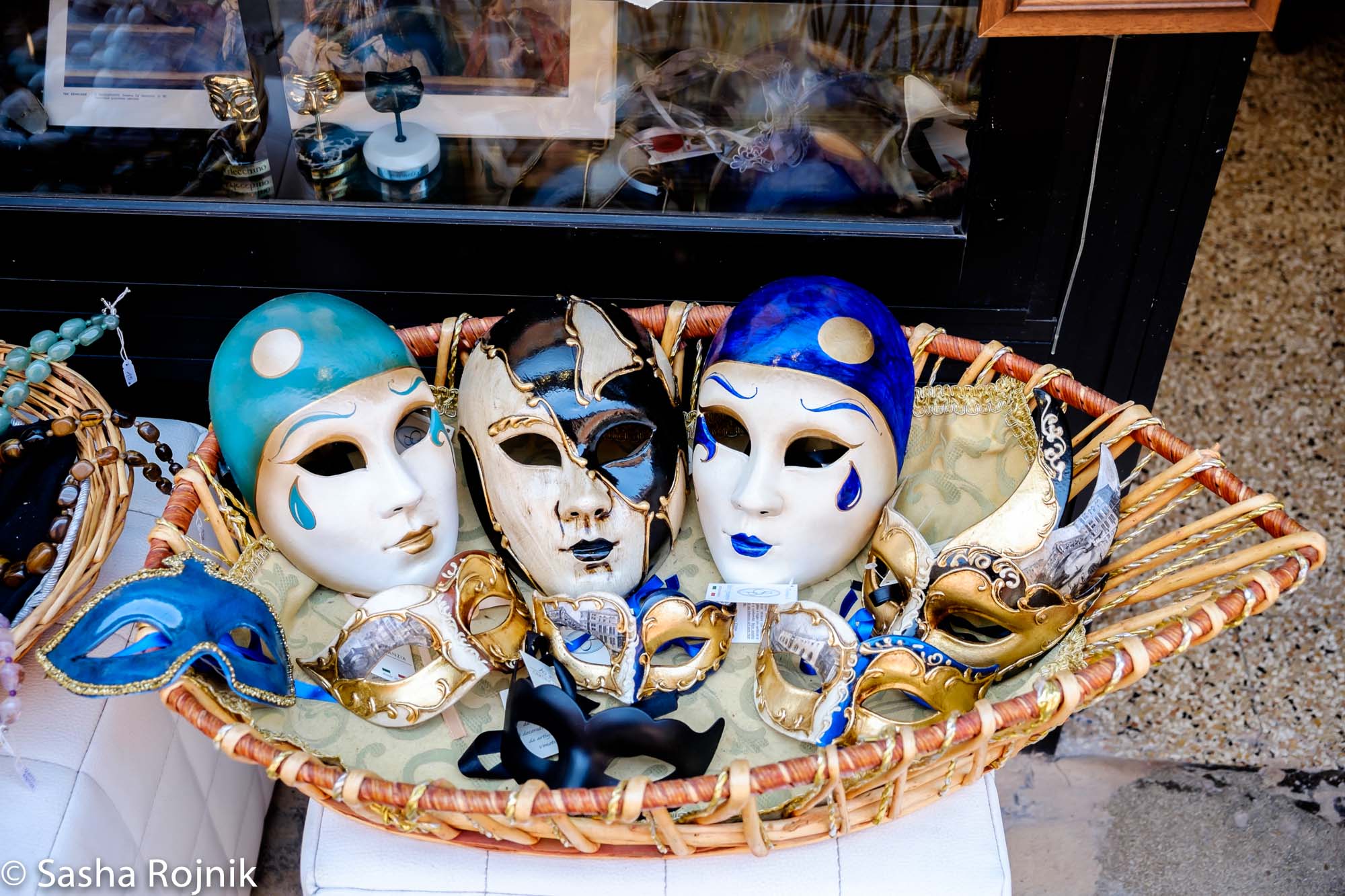
The Lagoon.
From the artisan furnaces of Murano to the painted fishermen's houses of Burano — a full day given entirely to the Floating City.
After the glass demonstration on Murano, we transfer to San Marco for free time. Use the map to get your bearings — and to find Cornoldi Pier if you're joining the Burano cruise.
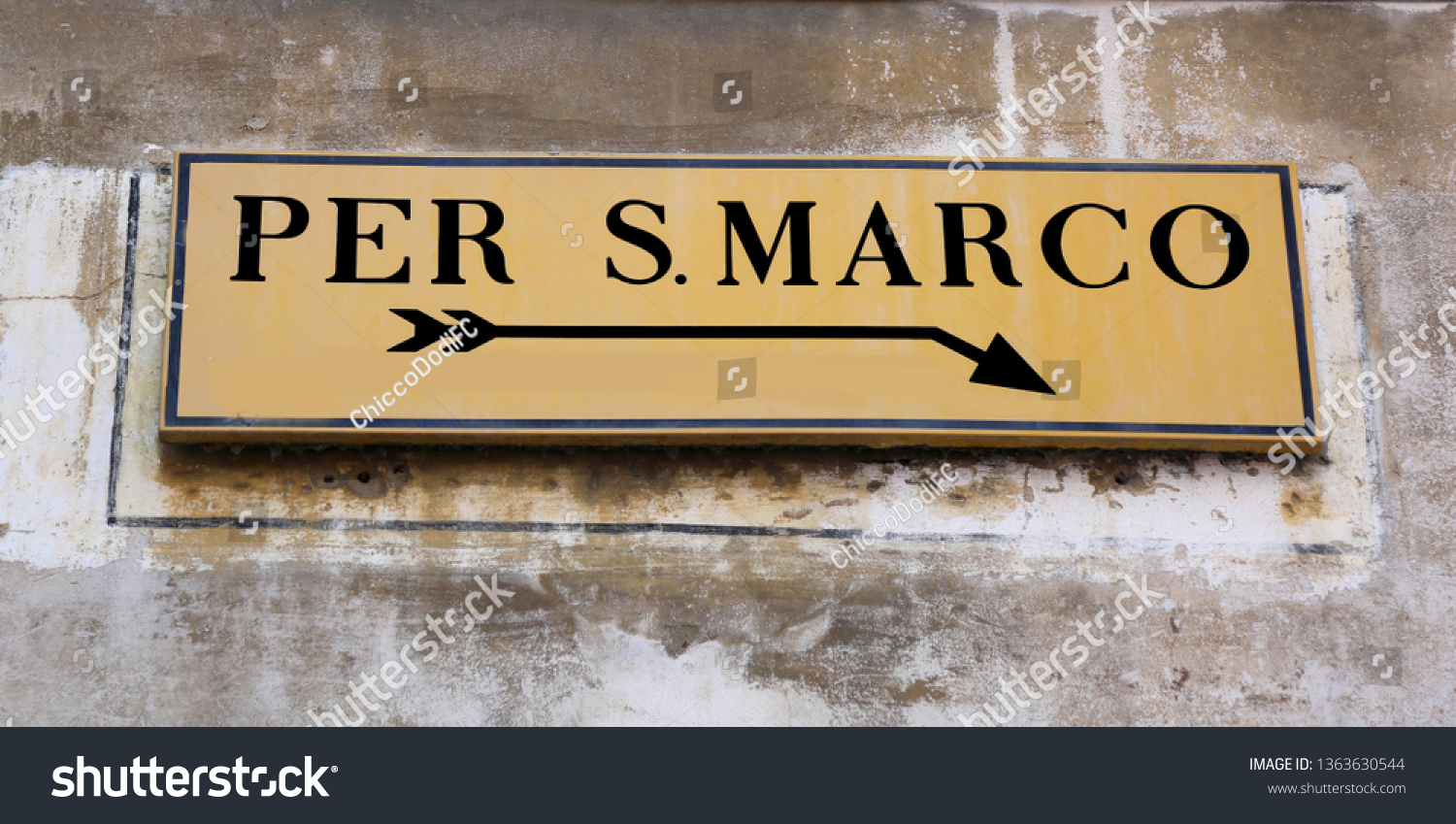
Google Maps works, but in the narrow calli GPS can falter exactly when you need it most. The solution: look up. Painted on building corners are yellow signs called Nizioletti — pointing reliably to Per S. Marco, Rialto, and Alla Ferrovia. Following them is often faster than any phone.
Venice also rewards deliberate lostness. If you find yourself in a quiet campo with no other tourists, you've found the real city. The one most people spend three days walking past.
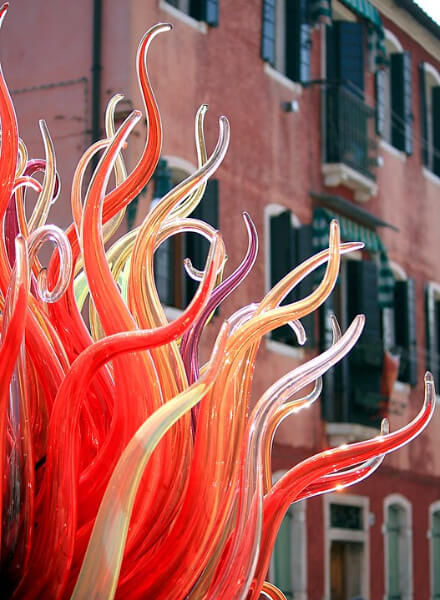
Why is the glass made on an island? In 1291, the Doge ordered every furnace moved from Venice to Murano to protect the city's wooden buildings from fire. Isolated, the master blowers spent centuries refining secret mineral recipes that remain unrivalled. The techniques are still passed father to son, apprentice to master, in workshops that haven't fundamentally changed since the Renaissance.
That tradition is now under threat from cheap imported imitations. Our visit to CAM directly supports the authentic artisans. When you carry a piece of Murano glass home, you aren't buying a souvenir — you're helping keep a living craft alive.
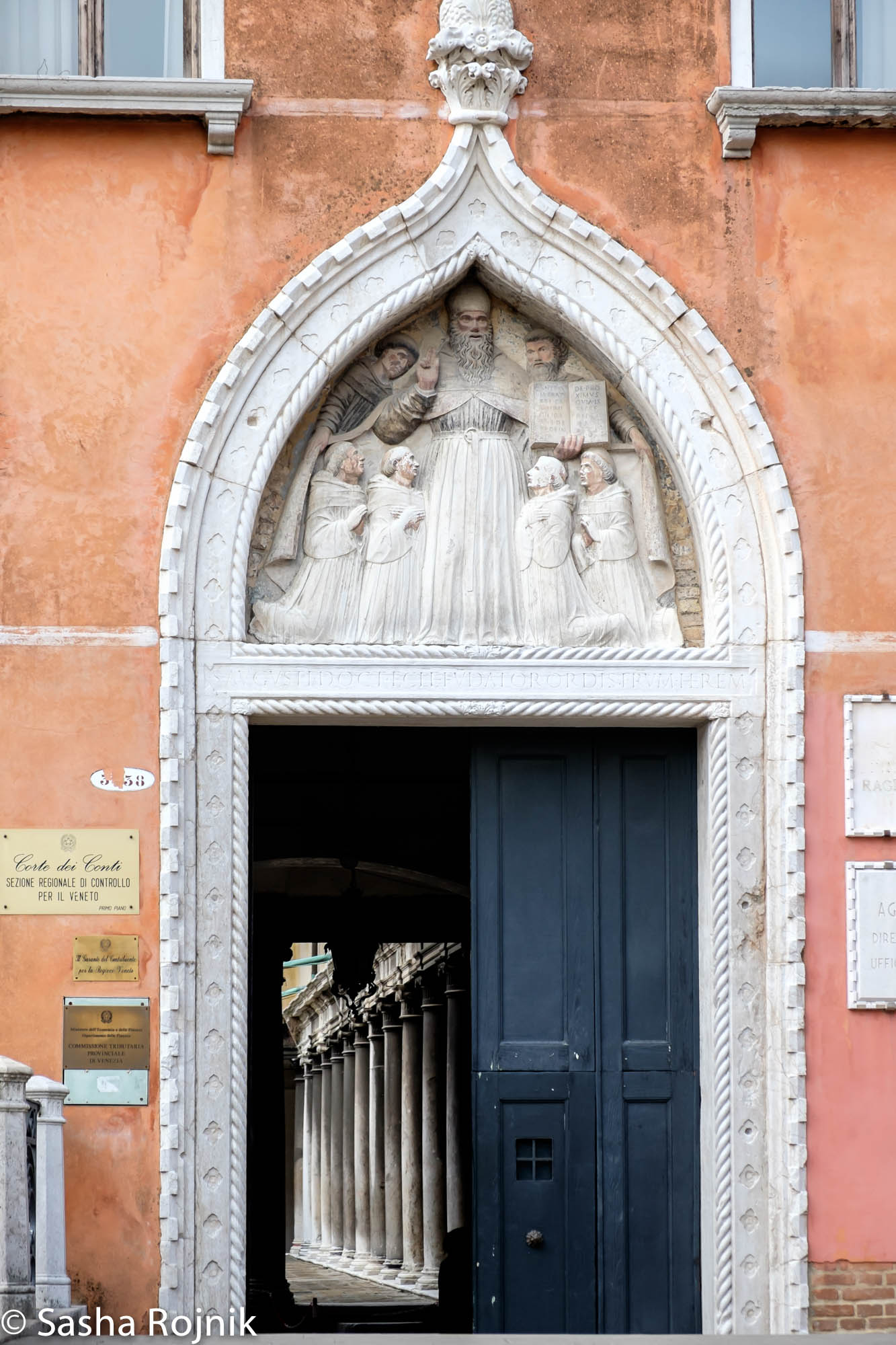
A Local Specialist born in Venice takes you through the city behind the city — hidden squares, back alleys, workshops unchanged for centuries. The walk ends with St Mark's Square emerging from the narrow lanes from a direction most visitors never use, so it appears unexpectedly. The difference between seeing Venice and understanding it.
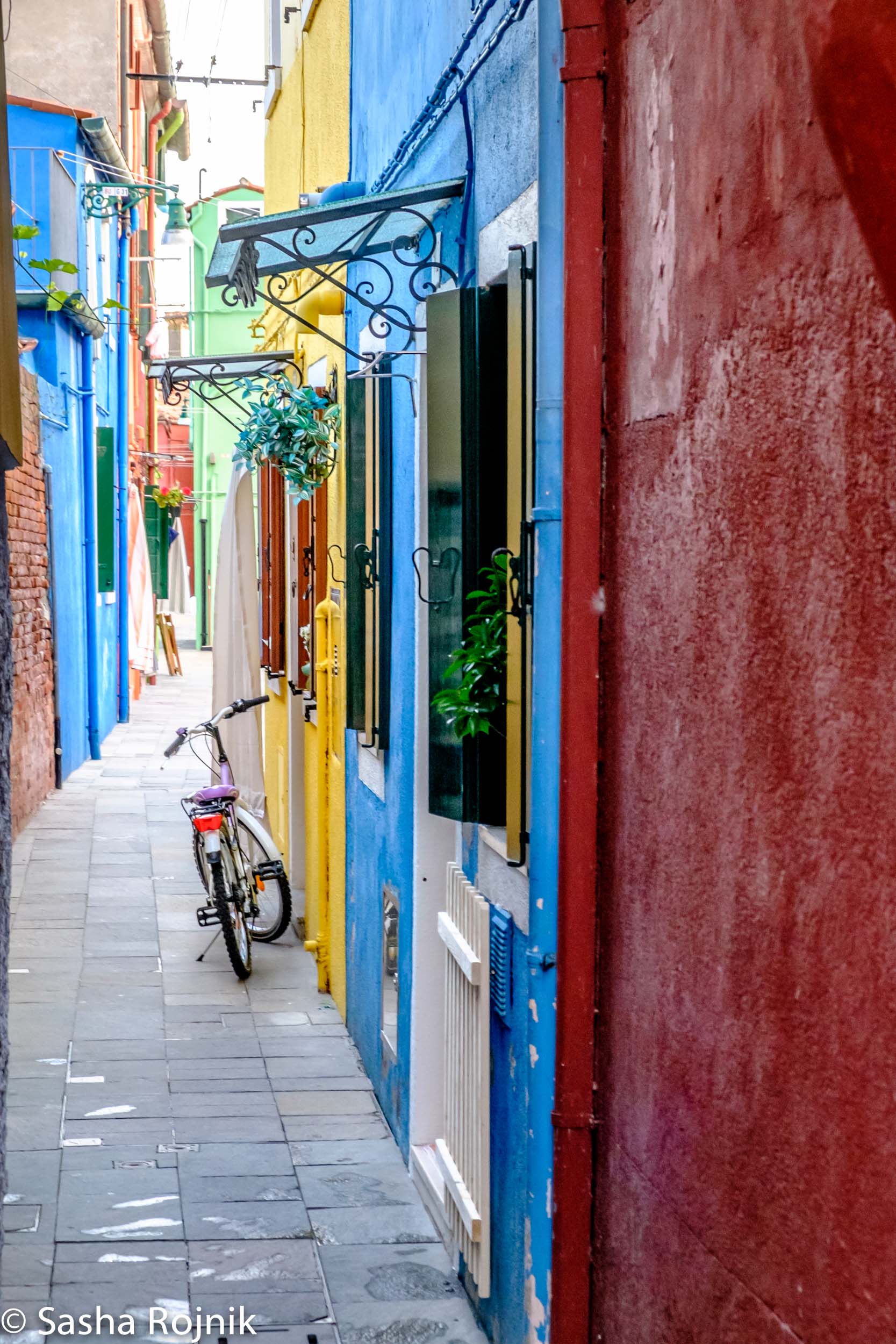
Private boat across the open lagoon to Burano — 45 minutes, the city shrinking behind you. Burano: 2,700 people on a sandbar, houses painted in colours that look almost unreal. Mario and Michele's family have run Raspo de Ua for three generations and still fish themselves, which means dinner is what was caught that morning. The boat back at dusk, Venice appearing on the horizon.
The Burano dinner starts at 16:30 — a late, generous seafood feast. If you're hungry during the free hours between St Mark's and the pier, do what Venetians do: duck into a bacaro for cicchetti and an ombra. Small pieces of bread with inventive toppings. A small glass of house wine. Standing at the bar, changing venues every twenty minutes. It's one of the great pleasures of the city — and won't spoil your appetite.
A true Venetian institution right by the Rialto Market. Standing room only — arrive early for the freshest crostini. Look for the counter piled high with inventive toppings. Locals have been coming here for decades.
View on MapThe oldest bacaro in Venice, open since 1462. Dark, atmospheric, legendary for its tramezzini. History and a glass of wine in one stop. If you only go to one bacaro today, make it this one.
View on MapIn the Castello district near Riva degli Schiavoni and Cornoldi Pier — ideal for a quick bite before heading to the lagoon cruise. Good selection, convenient location.
View on MapVenice is a city-sized boutique. What you're after determines where you go:
The main drag. Popular brands, souvenir shops, paper goods — and the lively energy of the Rialto Market just steps from the famous bridge.
Luxury territory. The Calle Larga XXII Marzo and surrounding streets for designer boutiques and fine jewellery in magnificent historic settings.
A photographer's dream. The Pescheria captures daily Venetian life in motion — visit before 11:00 when the stalls begin to close.
Please place your tagged bags outside your room door before you sleep. The coach departs before 06:30 tomorrow to catch the morning ferry. Don't leave this until the morning — there won't be time.